Lab #1 Non-infectious Diseases
Chemical Damage
Salt Damage on Hardwoods:
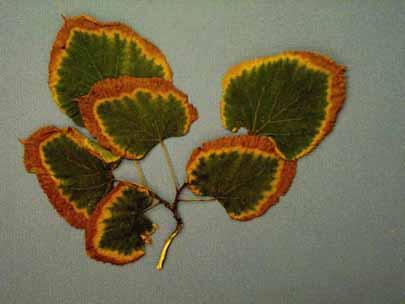
Salt Damage on basswood: Note necrosis and chlorosis at edge of leaves.
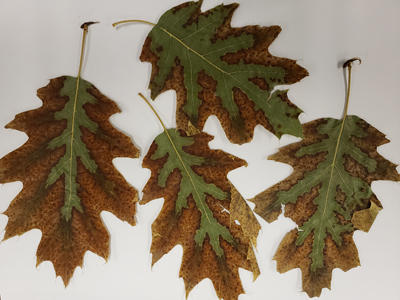
Drought / Salt Damage on oak.

Higher magnification of excessive salt damage (from salts in soil) and drought symptoms on oak.
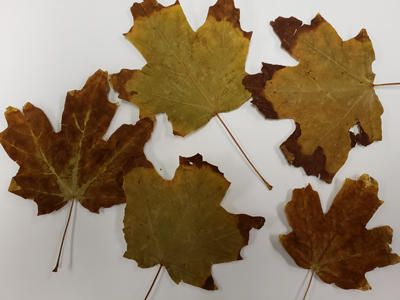
Salt Damage on maple.
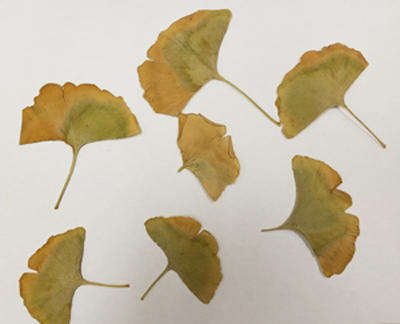
Salt damage on ginkgo
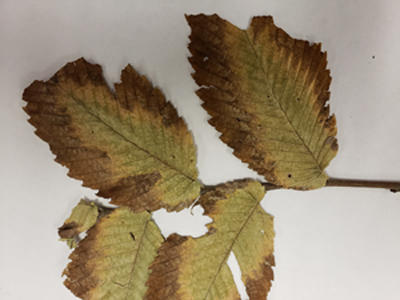
Salt damage on elm
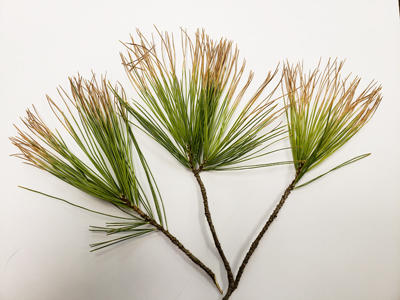
Salt Damage on white pine: Tips of needles are affected, first turning chlorotic then necrotic.

Salt damage on red pine with needles turning red from the tips down.
___________________________________________
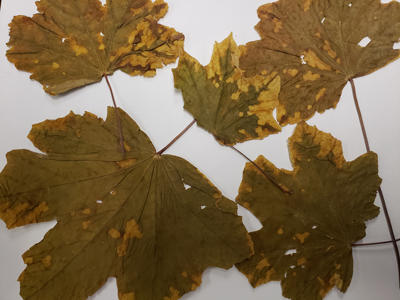
Chemical damage on maple caused by a spray containing oil. Note damage occurs wherever the oil hit the leaves.
_________________________________________________
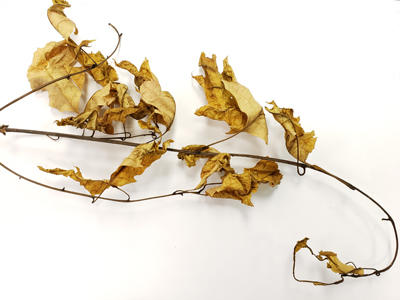
Herbicide Damage - This herbicide caused curling of leaf edges as well as the "Shepard's crook" (branch tip curling or epinasty) and killed the tree.
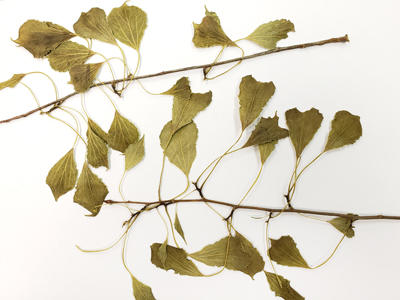
Herbicide Damage on aspen - low concentrations of herbicides can cause distorted growth and odd looking leaves.
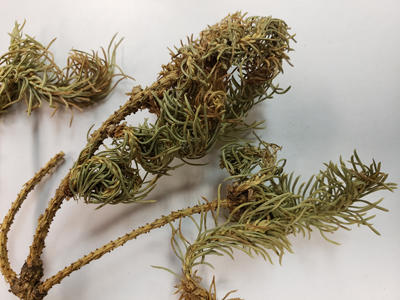
Herbicide damage on spruce causing the growing tips to be distorted.
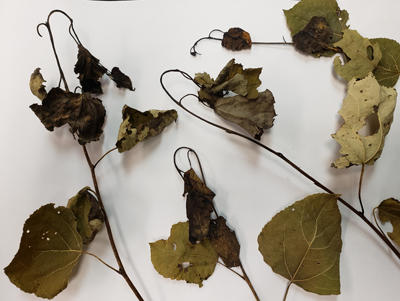
Not herbicide damage - Although these symptoms look like herbicide damage, this is caused by a fungus and it is called aspen twig blight. After infection, the tips turn black and become curled.
Some unusual symptoms?
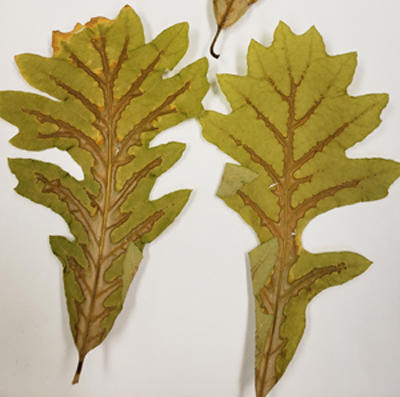
This oak tree had unusual symptoms. What may have caused this damage?

This white pine has twisted needles (it is a selection called "Torulosa" it naturally has curly needles) and someone could think it has herbicide damage. It does have some areas of iron chlorosis.